That's the part nobody budgets for, and the part that decides when you finish.
I build the data layer for investigator-initiated studies. REDCap projects that pass governance the first time, data management plans approvers actually want, and designs that can be linked to WA's population data years from now. For PIs, research assistants, research offices and clinical units, priced for grant budgets rather than sponsored trials. If you run an established cohort rather than a single study, that's a different problem, and it's further down this page.
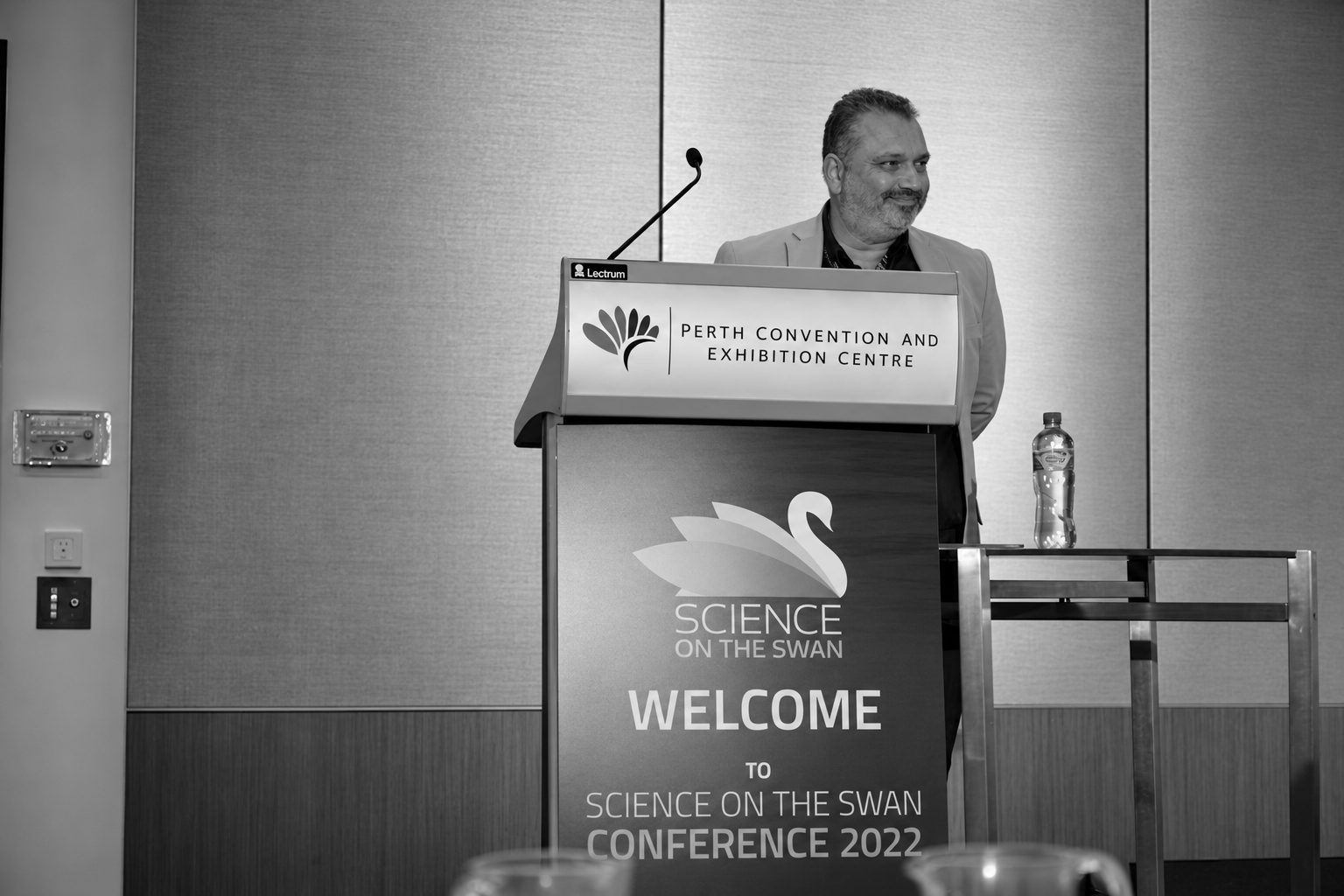
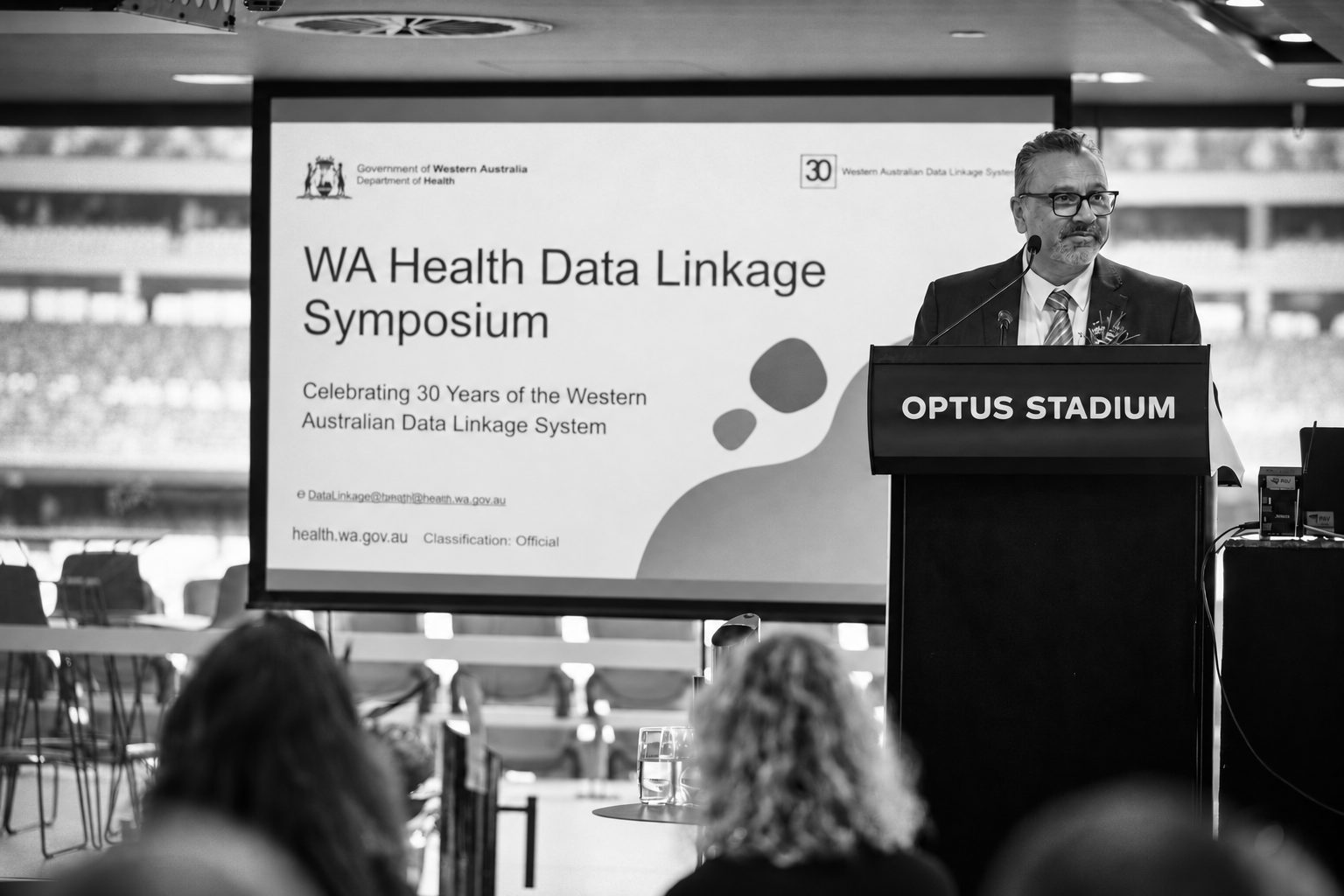
Nasir David Jahan, Perth. Led the WA Health directorate behind statewide REDCap and the data linkage service. The rest of the story.
Every delay in a study is the same delay: a decision made too late.
The protocol gets funded. Then the loops start. Each one costs weeks, and each one is a decision that could have been made on day one, before a single form existed. I make them on day one.
Built right at the start, none of these loops exist. That's the whole service. Why the loops happen.
Each is fixed scope with a fixed price. Send me the protocol and I'll tell you which you need, and what it costs. These are the six I'm asked for most, not the whole list; the rest is further down. I take one or two engagements at a time, so you'll hear quickly whether it's one for me.
Protocol to a working REDCap project. Instruments, validation rules, visit schedules, follow-up logic, consent architecture, roles and access. Deployed into your institution's own instance, so the data never leaves it.
Days, not weeksData management plan, data flow, security posture, custodianship and access model, written the way ethics, governance and cyber reviewers expect to read them. Submissions that arrive complete get approved.
With the build, or on its ownPersistent identifiers, conformant demographics, multi-level consent recorded as data, waiver-pathway documentation. Built to the published standards of Data Linkage Services WA, so your cohort can be followed passively for decades without re-contact.
Built into every studyA study already running on a spreadsheet or a broken build. A registry or legacy cohort that needs to become linkage-ready. I work out what can be saved, save it, and rebuild what can't.
Scoped after a lookRecruitment, data quality, safety and progress, live, for the PI, the steering committee and the funder's progress report. Built on the study data, not a copy of it.
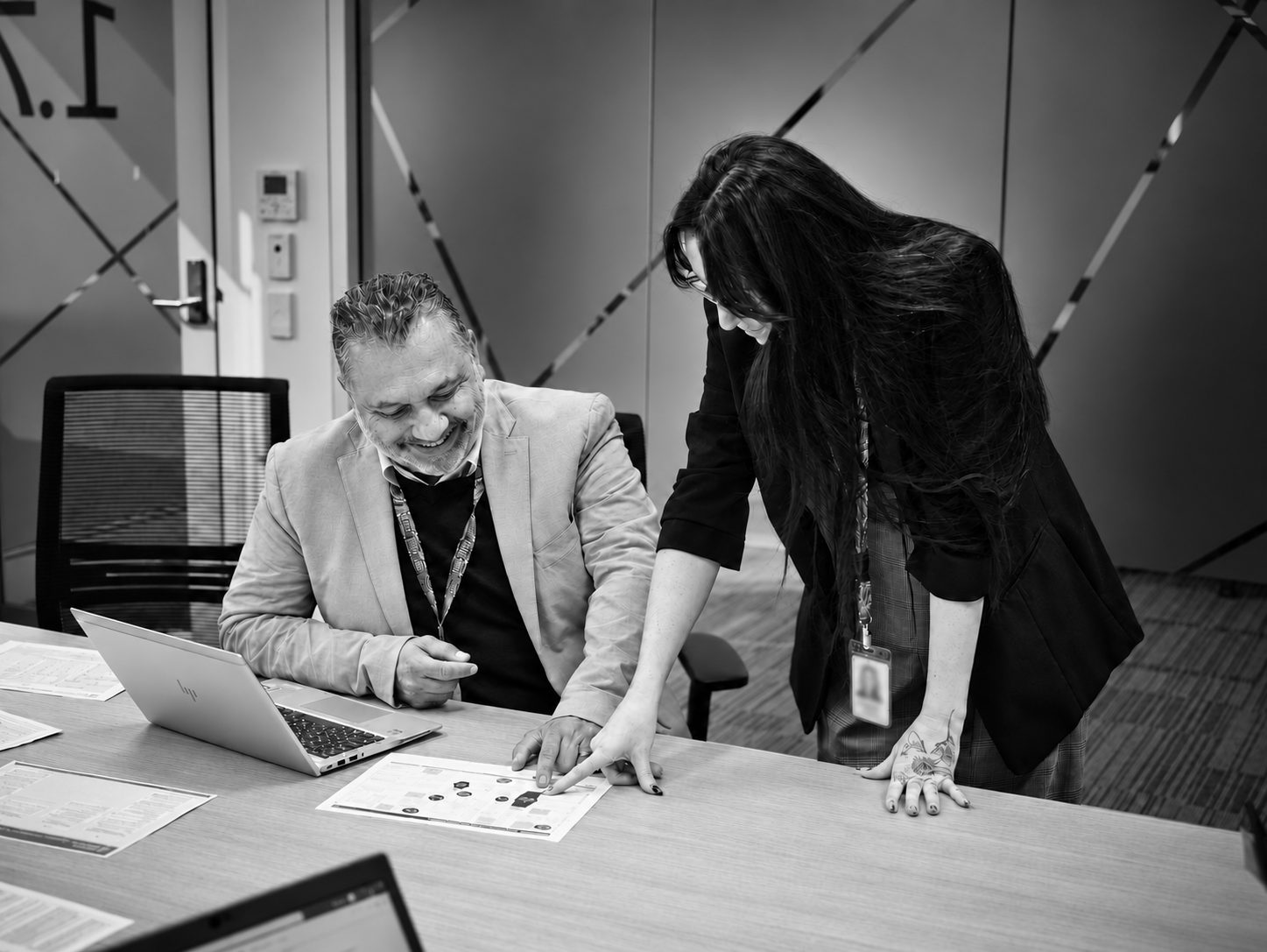
One to two weeksI build with your research assistant beside me, so they can run and change the study without me. The skills stay with the team, not the consultant.
IncludedPrincipal investigators with a funded protocol and no data manager. Research assistants who've been handed the build. Research offices tired of resubmissions. Clinical units running a study on the side. Regional and smaller sites priced out of specialist support. Tissue banks, registries and private research groups that need a way into the health system's data and governance.
Sponsored commercial trials with a CRO already on the job. If you have a data management team that builds your studies, keep using them. I'm for everyone who doesn't. If you carry research for a whole health service or fund rather than a study, that's on the government page, under medical research and innovation.
Data management is an accepted budget line for NHMRC, MRFF and FHRI grants. Put it in the application. If the study's already funded, the build is usually cheaper than the first month of delay.
Working across Western Australia, on site or remote.
You can already see the data barriers. You know which rounds are open and when they close. That isn't the gap. The gap is that the cohort is still argued for as a study, when what you're holding is infrastructure that other people's work depends on. On its own it competes for renewal every few years. Integrated into PeopleWA and the wider linkage estate, it becomes part of something the state has already committed to, and the argument changes from renewal to continuity.
This is a strategy and positioning job before it's a data job. The data end is the easy end, and it's the end I led for six years.
What integration into PeopleWA and the wider estate gives the cohort, what it costs, and what it takes off the table. Written for a board paper and a funding submission, not a data request form.
Two to three weeksConsent and ethics coverage, provenance, identifiers, data quality, custodianship and the governance that has to exist before anyone takes the proposal seriously. I know what the approving side tests for, because I sat on it.
Assessment, then a planPositioning the cohort as infrastructure rather than a grant. Which programs fund that, what they want to see in a submission, and what the current one is missing.
Ahead of the roundWho else needs your cohort, what a defensible access and cost recovery model looks like, and how to leverage it without giving it away.
Scoped after a lookNone of this starts with a database. It starts with what the cohort is for in ten years, and who else needs it to still exist.
I brought REDCap into WA Health and my directorate ran it as system owner: more than 6,000 projects, 50,000 users a day, and everything from statewide Telestroke to the pandemic RAT Register. Nearly 2,000 of those projects are research, and every one was built by the research team itself, because platform administrators don't build studies for you. I've watched exactly how those builds fail governance, and why.
For six years the state's data linkage service also sat in my directorate. The linkage-ready design I put into every study comes from the standards that service actually applies, not a guess at them.
And I started at Fiona Stanley Hospital as a research volunteer, enrolling patients in clinical studies. I know what a study looks like from the ward, not just from the platform.
The rest of the story, if you want it.
The six above are the shapes I'm asked for most. They aren't the boundary. Same person, same way of working, on anything where the data layer is the thing standing between a research team and its result.
Send it anyway. If it's not one for me I'll say so, and usually say who it is for. Send me the problem.
Running a cohort rather than a study? Send the strategic plan or the last funding submission instead. Something else that's data and research shaped? Send that too. Or message me on LinkedIn. Perth, Western Australia.